Sign in

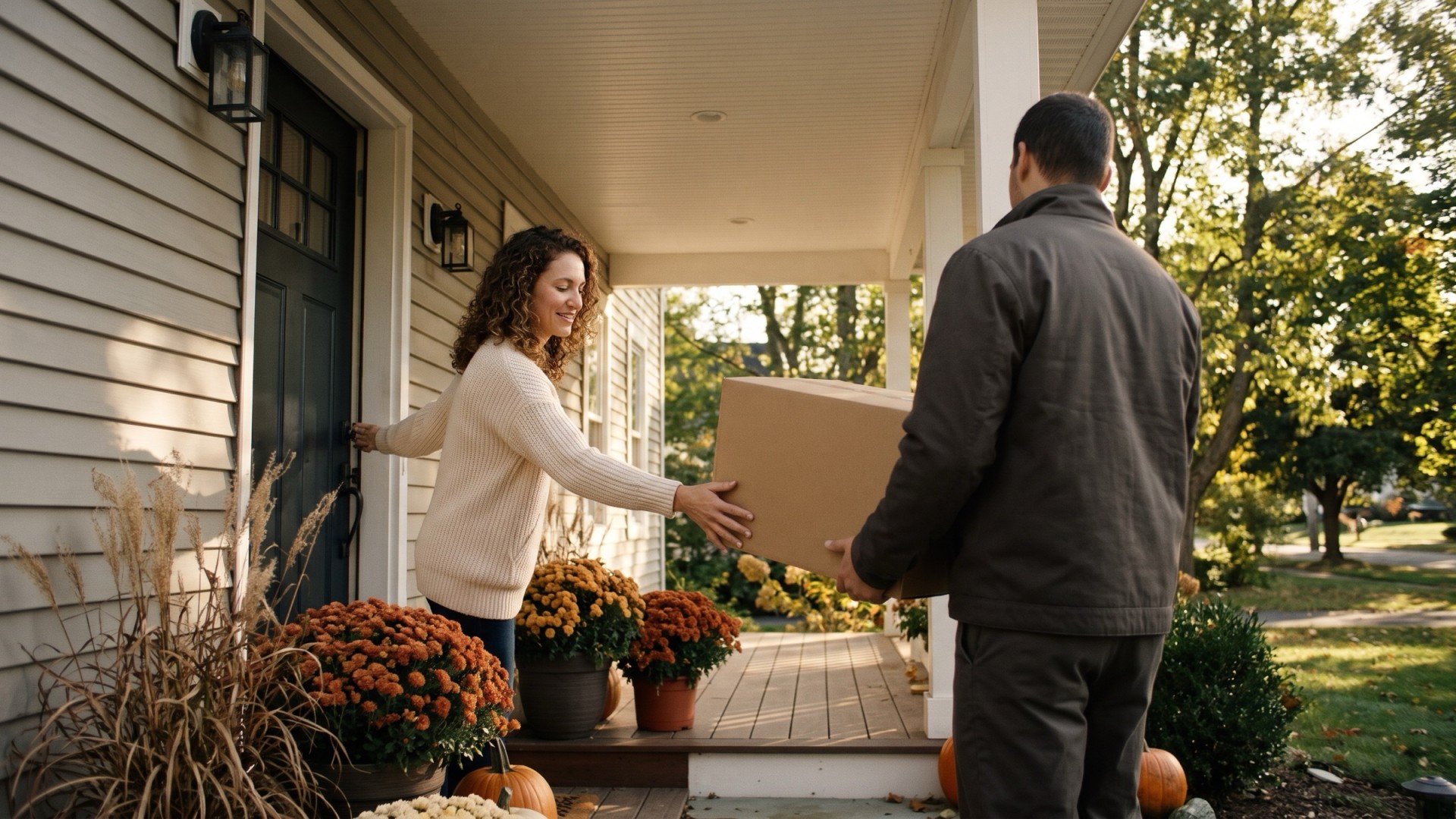
Short answer. A residential surcharge is an extra fee per package that UPS and FedEx add when they deliver to a home, including a business run from a home. Under the UPS 2026 Daily Rates it is $6.50 per package for UPS Ground services, as of November 2026. USPS says Priority Mail has no residential surcharge and lists no residential fee for USPS Ground Advantage. To plan for it, mark every address correctly, compare carriers for home deliveries, and build the fee into your shipping prices.
What the residential surcharge is
Delivering to homes costs a carrier more than delivering to businesses. A truck can drop many packages at one office building or warehouse, while home deliveries are spread out and often one package per stop. UPS and FedEx recover that cost with a separate fee on top of the base rate. You will see it called a residential surcharge, a residential delivery charge, or a residential delivery fee. These names describe the same idea.
For a seller who ships to consumers, this is not an occasional fee. Most of your packages go to homes, so the surcharge applies to most of your UPS and FedEx labels. On a light, low priced item, it can be a large share of the total shipping cost.
Which carriers charge it
UPS. UPS applies a residential surcharge to deliveries to a home, including a business operating out of a home. In the 2026 UPS Rate and Service Guide for Daily Rates (updated September 7, 2026), the amount is $6.50 per package for UPS Ground services and $7.00 for UPS domestic air services and UPS 3 Day Select, as of November 2026. The same guide says the surcharge does not apply to UPS Simple Rate shipments. Rates under other UPS programs can differ: the 2026 UPS Small Business Rates list a lower residential surcharge. Always check the price you are actually offered.
FedEx. FedEx Ground delivers to businesses. For homes, FedEx uses FedEx Home Delivery, and FedEx states that a residential surcharge is applied to each Home Delivery package. The FedEx Service Guide also lists a residential delivery charge for shipments addressed to a home, with amounts that depend on the service. The official FedEx pages we checked did not show one consistent figure, so check the current amount at the time you ship rather than relying on a number from memory.
USPS. USPS states that Priority Mail has no surcharges for fuel, residential or rural delivery. On its USPS Ground Advantage page, USPS lists additional fees for dimensional weight, nonstandard packages, live animals and perishables, but no residential fee. This is one reason USPS is often competitive for light packages going to homes, as explained in our USPS vs UPS vs FedEx guide.
How carriers decide an address is residential
You do not get to decide alone. The carrier's own definition and its delivery data matter.
UPS. The UPS Tariff (effective April 17, 2026) defines residential as an address that is a home, including a business operating out of a home. If an address could be either residential or commercial, UPS treats it as residential. The tariff also says the residential surcharge applies if either the address entered in the UPS system or the actual delivery address is residential, regardless of whether the shipper marked it as commercial.
FedEx. The FedEx Service Guide defines a residential delivery as a shipment to a home or private residence, including a location where a business is operated from a home, or any shipment where the shipper designated the address as residential. FedEx also reserves the right to charge the residential surcharge on a home delivery even when the shipper did not mark it, and it treats every FedEx Home Delivery package as residential, even if it is addressed to a business.
Home businesses count as residential. Both UPS and FedEx say so in writing. If your customer runs a studio, a consulting business, or an online shop from home, a company name on the label does not make the address commercial.
What this means in practice: marking a home address as commercial to avoid the fee does not work. The carrier can correct the charge after delivery, and you receive an adjustment later. Our help page on carrier adjustments explains how those post delivery charges work.
Delivery area surcharges for homes
Some ZIP codes cost even more. UPS and FedEx add a delivery area surcharge to packages going to certain ZIP codes they consider harder to reach, and the amount is higher for residential addresses than for commercial ones. This fee comes in addition to the residential surcharge, not instead of it.
- UPS (Ground and Air, Daily Rates), delivery area surcharge, residential $6.55. Extended, residential: $8.85. Commercial, for comparison: $4.50.
- FedEx (U.S. Package Services), delivery area surcharge, residential $6.60. Extended, residential: $8.80. Commercial, for comparison: $4.45.
Amounts are per package, as of November 2026, from the 2026 UPS Rate and Service Guide (Daily Rates) and the 2026 FedEx Service Guide. Both carriers publish their lists of affected ZIP codes. Peak season can add more: FedEx lists a Demand Residential Delivery Charge for specified times of the year, and UPS publishes demand surcharges for peak periods.
How to plan for the residential surcharge
1. Mark the address type correctly. Treat every consumer order as residential unless you know the address is a store, an office, or a warehouse. Getting it right up front means the price you see is the price you pay, with no adjustment weeks later. FedEx, for example, tells shippers on fedex.com to tick "This is a residential address" and offers a detailed address check if you are not sure.
2. Compare carriers for home deliveries. The residential surcharge changes which carrier is cheapest. For a light parcel to a home, USPS often comes out ahead because it adds no residential fee. For heavier boxes, UPS or FedEx can still win even with the surcharge. The only way to know is to compare the full price, including all surcharges, for each package.
3. Look at your customer mix. If you sell mostly to businesses, the surcharge rarely applies and UPS Ground or FedEx Ground may suit you well. If you sell mostly to consumers, assume most labels from UPS and FedEx will include it.
4. Price shipping into your products. If you offer free or flat rate shipping, your average shipping cost must include the residential surcharge on the share of orders that go out with UPS or FedEx, plus delivery area surcharges on some ZIP codes. Work it out from a month of real labels, not from base rates.
5. Recheck the numbers every year. Carriers change surcharges, usually at the start of the year and again during peak season. Recheck your shipping prices when the new rate guides come out.
Planning home deliveries in LogiRates
LogiRates is a website for sending parcels within the United States with USPS, UPS, and FedEx. You enter your parcel, compare the carriers' rates side by side, pay, and print the label. The final price is shown before you pay, and additional services such as a signature or extra insurance are shown with their own price.
If you ship many orders, bulk shipping creates labels for up to 100 parcels in one order from a CSV file. Each row is priced on its own across USPS, UPS, and FedEx, and errors are fixed before you pay. With an account, the address book and shipping templates keep your recipients and package sizes ready for the next order. Both the sender and the recipient need a US address.